



- Your cart is empty Browse Shop
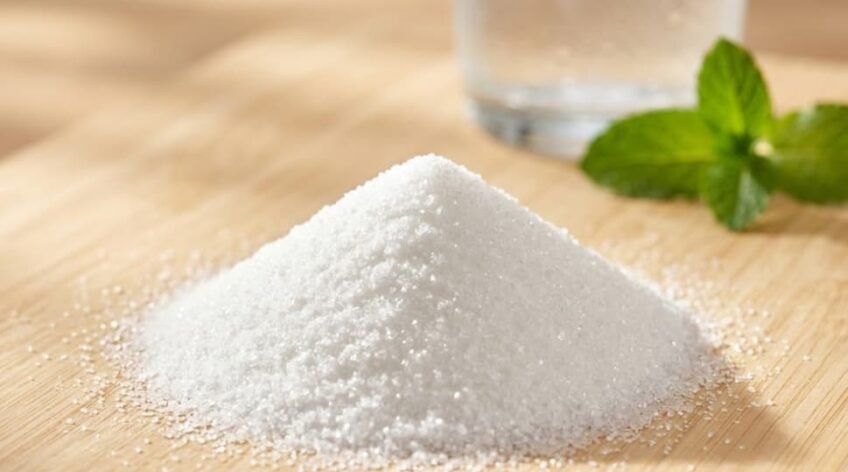
The Ultimate Guide to Sourcing Food Thickeners: Xanthan Gum vs. Sodium Alginate
Choosing the right thickener is critical for food and beverage manufacturers to maintain texture, stability, and shelf life. As a leading food thickeners supplier in China, we frequently help procurement teams decide between our top-selling hydrocolloids. This guide breaks down the key differences, applications, and market trends for bulk Xanthan Gum and Sodium Alginate in 2026.
1. Understanding Xanthan Gum: The Versatile Stabilizer
Xanthan gum is a polysaccharide widely recognized for its incredible ability to increase liquid viscosity even at very low concentrations.
Key Properties: It offers exceptional temperature and pH stability. It dissolves easily in both hot and cold water.
Main Applications: Perfect for salad dressings, sauces, gluten-free baking, and beverages. Beyond food, industrial-grade xanthan gum is heavily used in the oil-drilling industry to thicken drilling mud.
We have covered many special events such as fireworks, fairs, parades, races, walks, awards ceremonies, fashion shows, sporting events, and even a memorial service.
2. Understanding Sodium Alginate: The Gelling Expert
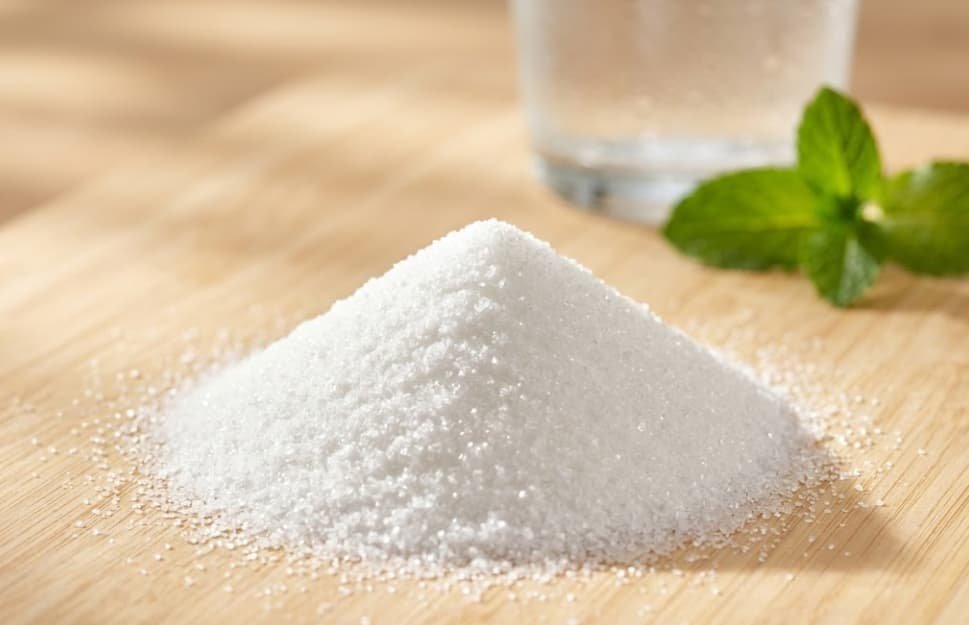
Extracted from brown seaweed, sodium alginate is celebrated for its unique gelling properties, especially when it interacts with calcium.
Key Properties: It forms strong, heat-irreversible gels without the need for heat (cold gelling).
Main Applications: Essential for meat restructuring, dairy products, bakery fillings, and the famous “spherification” technique in the food industry. It is also highly valued in textile printing and pharmaceuticals.
3. Quick Comparison: Xanthan Gum vs. Sodium Alginate
| Feature | Xanthan Gum (黄原胶) | Sodium Alginate (海藻酸钠) |
| Primary Source | Bacterial fermentation | Brown seaweed extraction |
| Main Function | Thickening & Stabilizing | Gelling & Thickening |
| Solubility | Hot and cold water | Hot and cold water |
| pH Stability | Excellent (pH 2-12) | Moderate (pH 4-10) |
| Synergy | Works well with Guar/Locust Bean Gum | Requires Calcium to form a gel |
| Industrial Use | Oil drilling, cosmetics | Textile printing, medical |
4. 2026 Market Trends & Supply Chain Stability
The global supply chain for food additives is highly dependent on raw material costs and manufacturing capacity. For B2B buyers seeking a stable wholesale xanthan gum or sodium alginate manufacturer:
Direct Sourcing is Key: Purchasing directly from Chinese source factories bypasses trading company markups, securing a lower cost-in-use.
Quality Assurance: Look for suppliers who guarantee high purity and hold necessary global certifications (ISO, Halal, Kosher).
Inventory Capacity: A reliable partner maintains sufficient buffer stock to protect your production lines from sudden global freight disruptions.
5. Partner with a Trusted Manufacturer
Whether your formulation requires the robust stabilization of xanthan gum or the precise gelling of sodium alginate, sourcing high-quality bulk ingredients is your first step to success.
Ready to secure your supply chain? We provide premium-grade food thickeners with strict quality control and global shipping capabilities. [Contact our team today for updated bulk pricing, technical specifications, and a Free Sample! ->